
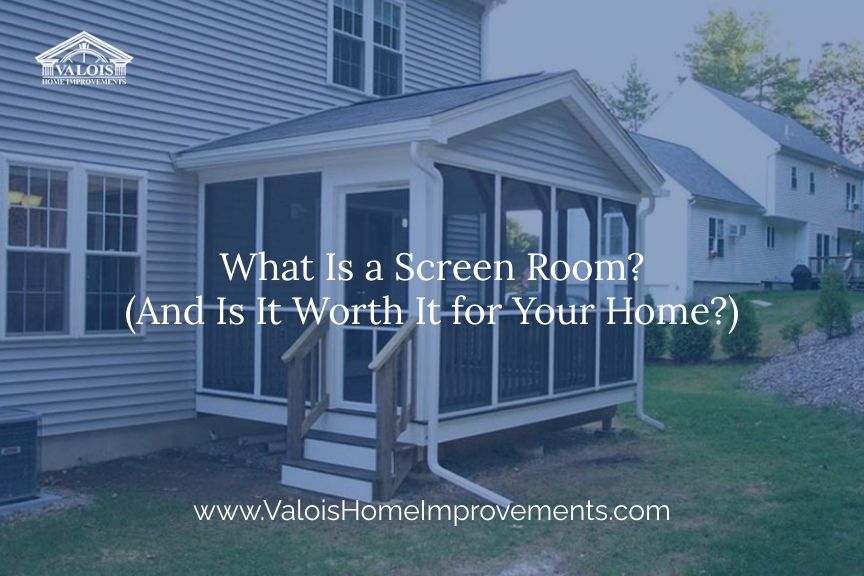
If you love spending time outdoors but don’t love the bugs, pollen, or blazing sun, a screen room might be exactly what your home is missing. A screen room, sometimes called a screened-in porch, is an outdoor living space enclosed with mesh screening instead of solid walls or windows. It gives you the feeling of being outside while offering protection from common outdoor annoyances.
Screen rooms come in all shapes and sizes. Some are built on existing decks or patios, while others are custom additions designed to blend seamlessly with your home. Whether you want a quiet place for morning coffee, a bug-free space for family dinners, or an extra room for relaxing with friends, a screen room is one of the easiest ways to extend your living space without the cost of a full home addition.
What to Consider Before Deciding if a Screen Room Is Right for You
The following are things to think about before committing to a screen room project. The decision is easier if you understand what type of space you need, what your budget should look like, and how much value the project will bring to your home and lifestyle.
- How You Plan to Use the Space. Do you want a spot for morning coffee, a space for family dinners, or a place for kids or pets to play? Your goals will guide decisions around the size, layout, and materials. The clearer your vision, the easier it will be to design a room that truly fits your lifestyle.
- Your Climate and Seasonal Expectations. Screen rooms are ideal for mild to warm seasons. However, they’re not designed for winter or extreme heat. A screen room is your best option if you want an upgraded deck environment rather than a room to use all year.
- Existing Deck or Patio Conditions. If you plan on using an existing deck or patio as the foundation, the structure must be strong enough to support the new enclosure. Older decks may need reinforcement or replacement. A contractor can check the condition, but it’s an important factor to budget for.
- Budget and Long-Term Maintenance. Screen rooms are more affordable than a sunroom, but they still require an investment. Beyond the build, screens may need replacement and framing may need touch-ups over time. If you want a low-maintenance solution, choose higher-quality materials that hold up better long term.
- HOA or Town Requirements. Many towns require building permits, and some HOAs have rules about the size, style, or placement of additions. Know the requirements to prevent delays and help you avoid design changes later in the process.
- Sun Exposure and Privacy – The location matters. A south-facing screen room gets more sun, which can make the space warm but bright and energizing. A north-facing one is cooler but may feel darker. As for privacy, how close are your neighbors and do you care? Screen rooms can be visible to neighbors depending on placement. Simple additions like privacy screens or landscaping can help.
- Impact on the Rest of Your Outdoor Space – A screen room takes up space on your deck, patio, or yard. Make sure it doesn’t block natural light going into your home or interfere with a view you enjoy.
Pros and Cons of Adding a Screen Room
Below are the biggest pros and cons to consider before moving forward.
Pros of Adding a Screen Room
- Enjoy the Outdoors Without the Bugs. No mosquitoes. No flies buzzing around your food. With the screens acting as a natural shield, you can finally enjoy summer evenings without swatting the whole time.
- Adds Usable Living Space. A screen room gives you a comfortable area to unwind, entertain, or enjoy hobbies. It’s a cost-effective way to expand your home’s footprint without building a fully insulated room.
- Great for Families and Pets. If you have kids or pets, a screen room becomes a safe and comfortable bonus zone. Kids can play without being directly in the sun or being bothered by bugs. Pets get fresh air and stimulation but stay safely contained, ideal for a dog who loves to roam or a cat who enjoys the sights and sounds of the outdoors.
- More Affordable Than a Sunroom. If you want an outdoor room but aren’t ready for the investment of a four-season space, a screen room is a budget-friendly middle ground. You still get the outdoor lifestyle upgrade without the heavier construction costs.
- Lets You Use Your Deck or Patio Longer. Screens can cut down on sun exposure, wind, and light rain, making it easier to enjoy your outdoor space earlier in the spring and later into the fall.
- Can be converted into a sunroom. Screened porches can be converted to sunrooms, provided the foundation and structure are adequate or can be reinforced. It’s a common upgrade that highlights the flexibility in the sunroom, allowing homeowners to spread out their investment over time.
Cons of Adding a Screen Room
- Not Weatherproof – A screen room won’t protect you from cold weather, heavy rain, snow, or extreme heat. It’s still an outdoor space, so its use will naturally be seasonal depending on your climate. If you’re looking for a year-round room, you’d need a sunroom or four-season room instead.
- Screens Can Wear Over Time – Screens can rip, sag, or loosen due to weather, curious pets, or regular use. While repairs are usually simple, they do add to the overall upkeep of the space. If your home faces strong winds or you have pets that like to jump on the screens, this is something to keep in mind.
- Limited Furniture Options – Even though the room is covered, humidity and moisture can still affect anything inside. You’ll need weather-resistant furniture, fabrics, and accessories, which limits your choices compared to indoor décor. If you love plush, delicate pieces, they might not hold up well here.
- Not Usable Year-Round – In Massachusetts, screen rooms get little use during the winter months. Without insulation or heat, the space becomes too cold to enjoy. Some people add portable heaters or weather panels, but that’s an additional investment.
- May Require Additional Permits – Depending on where you live, adding a screen room may require building permits or HOA approval. These steps can add to the project timeline and may require design changes to meet local codes. A licensed contractor can help you navigate this, but it’s still a factor to consider early on.
Is a Screen Room Right for You?
A screen room is perfect for homeowners who want more outdoor living space without the hassle of insects, harsh sunlight, or the cost of a fully enclosed addition. If you often find yourself wishing you could enjoy your deck or patio more comfortably, this might be one of the most rewarding upgrades you can make. Contact us to discuss your options for adding a screen room to your home.